
PSS Dripless Shaft Seals
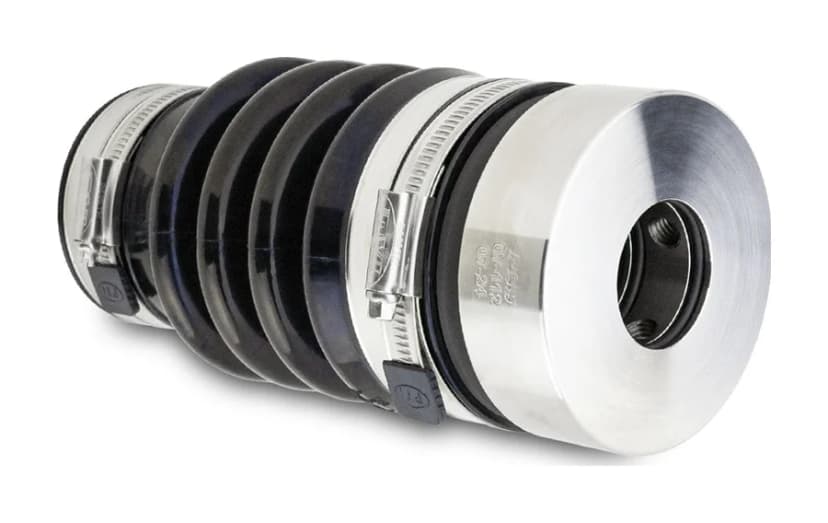
A dry bilge, no packing to adjust, no shaft scoring. The PSS Shaft Seal is a dripless propeller (prop) shaft seal for inboard boats: billed by PSS as the world's best-selling dripless seal, it runs a lapped carbon face against a polished stainless rotor, sealing shafts from 3/4″ to 3-3/4″ (20–95 mm). Luxfords keeps one of Australia's largest PSS ranges on the shelf, so we can usually have you sorted straight away.
Three steps to the right PSS seal
- 1Confirm the fitMeasure shaft diameter and stern tube OD. The size table gives the exact part number for every combination from 3/4" to 3-3/4".Find my size
- 2Check availabilityTell us the size - most shaft and stern tube combinations are on the shelf in Mornington, and we'll confirm yours.Check stock
- 3Request a quoteOne form, or a call on (03) 5973 6444. We quote the seal, fittings and any maintenance kit you'll want with it.Get a quote
How a dripless boat shaft seal works
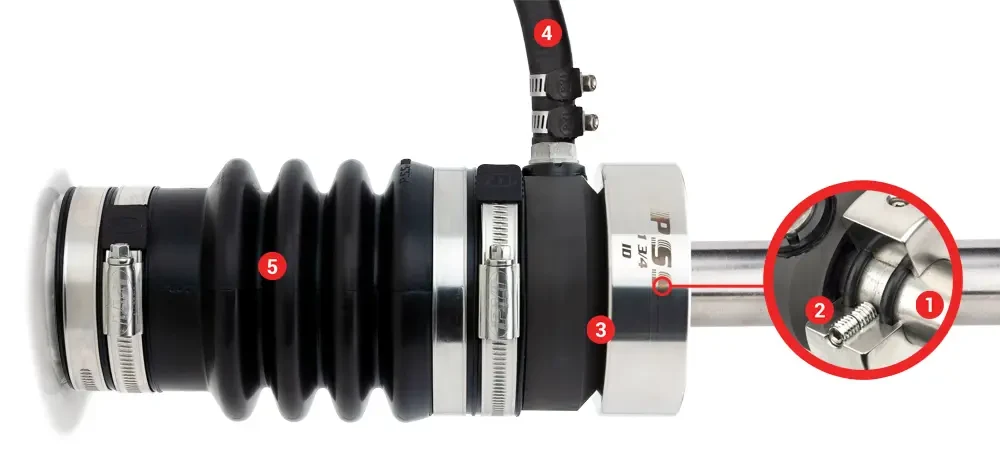
Traditional stuffing boxes seal against the spinning shaft itself — which is why they must drip to stay cool, and why the packing slowly scores the shaft. The PSS moves the seal off the shaft entirely: a high-density carbon stator, pressed forward by a compressed nitrile bellow, runs against a polished 316L stainless rotor that turns with the shaft. The two faces are lapped flat to within four helium light bands — 0.000044″ — so a microscopic water film lubricates them while letting nothing through.
The rotor seals to the shaft with internal O-rings that rotate with it, so they never wear — and it means a PSS will seal happily on shafts with old packing scoring or light pitting that would defeat a lip seal. The carbon is over-bored to float on the shaft, absorbing minor misalignment and vibration, and the bellow soaks up fore-aft movement from soft engine mounts.
The result: a genuinely dry bilge, no daily attention, and a seal PSS rates to 10,000 RPM — with commercial vessels PSS documents passing 40,000 engine hours on their original faces.
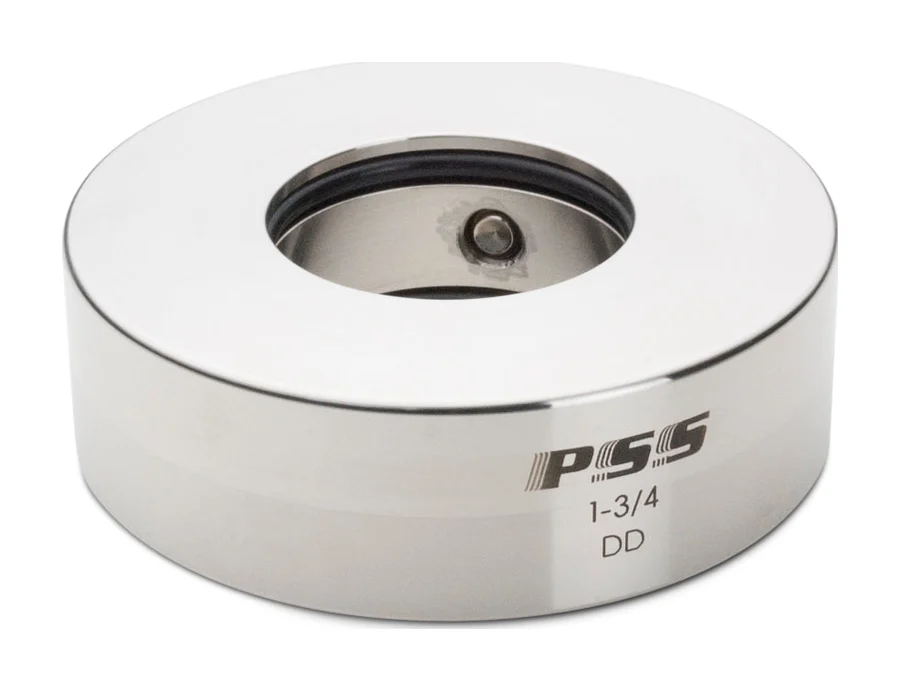
316L stainless rotor
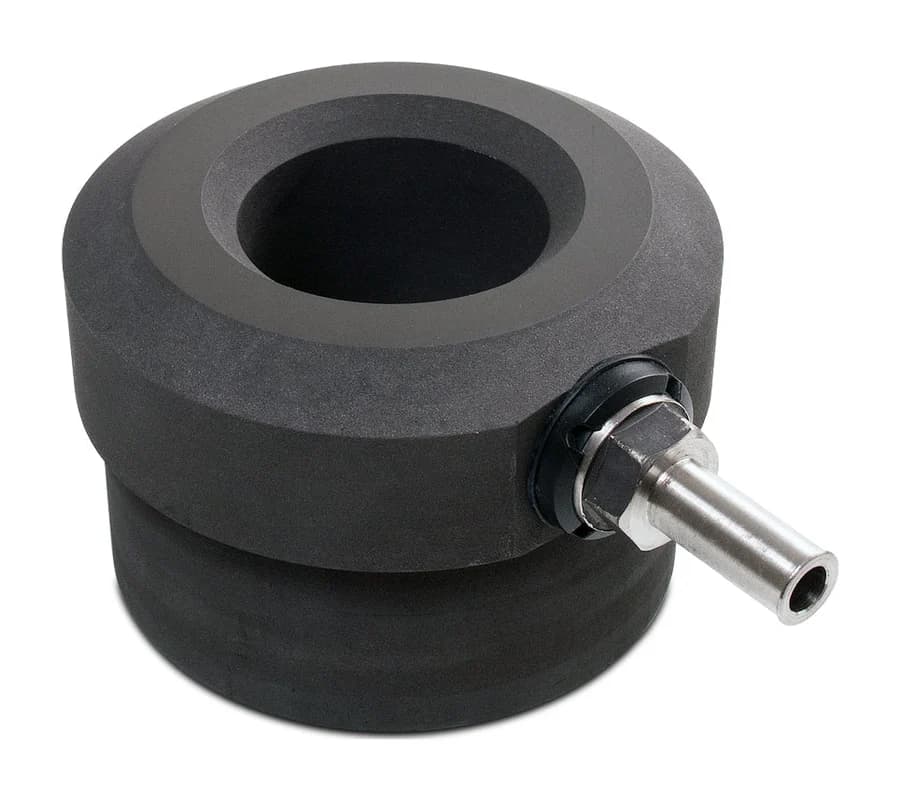
Carbon stator
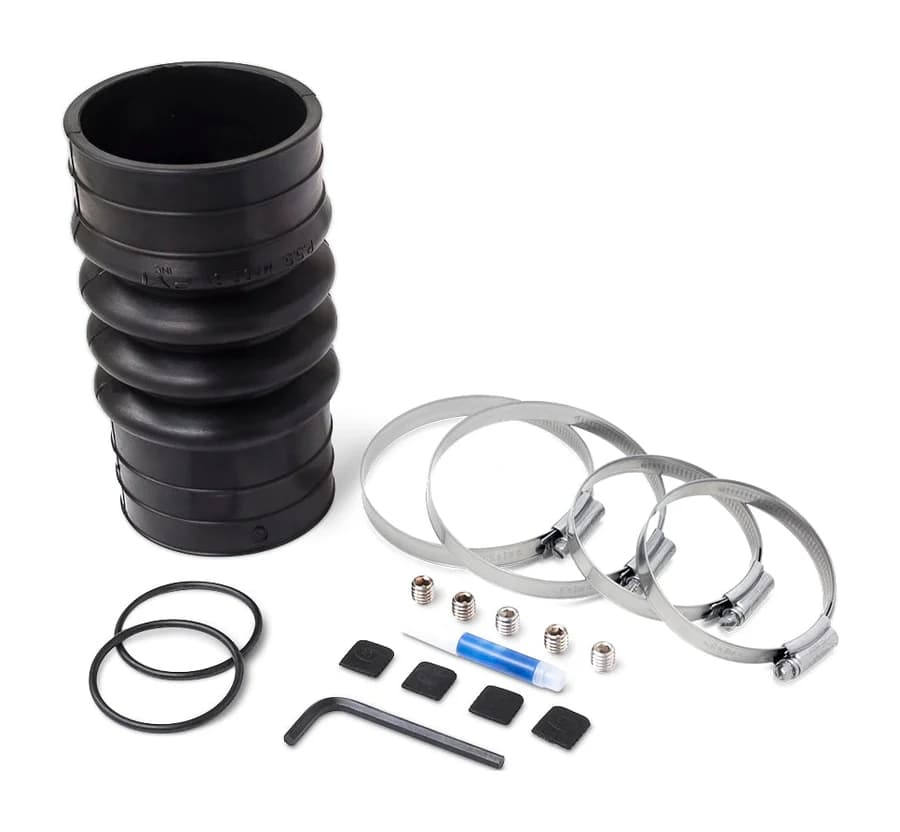
Maintenance kit
The standard PSS Shaft Seal at a glance
Shaft sizes
3/4"–3-3/4"
20–95 mm, imperial & metric
Certification
BV · ABS · RINA
per PSS — with 3-year warranty
Speed rating
10,000 RPM
and boats over 12 kn with water feed
Service rhythm
6 mo / 6 yr
inspect 6-monthly, bellow every 6 years
We stock the standard PSS Shaft Sealacross the imperial sizes Australian boats run (1″, 1-1/4″, 1-1/2″, 1-3/4″, 2″ and more) plus the common metric sizes for European-built vessels — along with maintenance kits, spare bellows, carbons, rotors and vent fittings. Larger commercial sizes and the PSS PRO are available on request.
Why owners make the switch
A genuinely dry bilge
No drip rate to tune, no salt crust creeping up the shaft, no musty bilge. The face seal passes nothing once run in.
Your shaft stops wearing
Packing scores shafts — slowly ruining an expensive component. The PSS seals at its own lapped faces; the shaft just spins.
Nothing to adjust
Stuffing boxes need regular tightening and repacking. The PSS bellow self-adjusts as the carbon wears — no attention between services.
Forgiving of real boats
Floating carbon and O-ring shaft sealing tolerate minor misalignment, vibration and worn shafts that defeat lip seals.
Proven at scale
PSS quotes 200,000+ Type A units in service, factory fitment by major builders, and BV/ABS/RINA certification — backed by a 3-year warranty.
Cheap to live with
One maintenance kit every six years. The carbon and rotor typically last the life of the boat.
PSS resources
Everything you need to size, fit and live with a PSS seal — written from the official PSS documentation.
Sizes, dimensions & part numbers
The full PSS Type A table — every shaft size from 3/4" to 3-3/4" (20–95 mm) with stern tube options and dimensions, plus a size finder.
Read moreInstallation guide
Retrofitting from a stuffing box: the steps, bellow compression chart, and the vent vs water-injection rules every installer must know.
Read moreMaintenance & service life
Burping after launch, six-monthly checks, the six-year bellow rule, maintenance kits and what the warranty covers.
Read morePSS vs stuffing box vs lip seals
An honest comparison: drip rates, shaft wear, service life and cost over time — and when each option makes sense.
Read morePSS vs Tides Marine SureSeal
Face seal or lip seal? Water feed rules, spare seals, warranty terms and Australian parts support, side by side.
Read morePSS vs GLIDE shaft seal
How the GLIDE double lip seal compares to a PSS face seal on sizing, spares, warranty and local availability.
Read morePSS shaft seal FAQs
Is a boat shaft seal the same as a propeller shaft seal or stuffing box?
They all describe the same job: sealing the point where the propeller shaft leaves the hull through the stern tube. Boat owners call it a boat shaft seal, prop or propeller shaft seal, stern gland or shaft log seal. A traditional stuffing box (packing gland) seals against the spinning shaft with packing, so it has to drip and slowly wears the shaft. A dripless propeller shaft seal like the PSS seals with a carbon face against a stainless rotor instead, so the bilge stays dry and the shaft doesn't wear.
What size PSS shaft seal do I need?
Two measurements: your propeller shaft diameter and the outside diameter of the stern tube the bellow clamps onto. The standard PSS Shaft Seal covers shafts from 3/4" to 3-3/4" (20–95 mm), in both imperial and metric sizes, and each shaft size pairs with a range of stern tube diameters — every part number fits stern tubes from its nominal size to 1/8" over. Use our size finder, or send us the two measurements and we'll confirm the part number.
Is the PSS seal really dripless?
Yes — once installed and run in, it is a true zero-drip seal at rest and under way. The seal is made between two precision-lapped faces: a carbon stator pressed by the compressed bellow against a polished 316L stainless rotor that turns with the shaft. A fine mist and a little black carbon dust during the first hour of running is normal break-in and stops once the faces bed in.
Can a PSS seal replace my existing stuffing box?
In most cases, yes — it's the retrofit PSS built its name on. The boat must be hauled out and the coupling removed from the shaft, but the shaft itself usually stays in place: the old packing gland comes off, the PSS bellow clamps onto the same stern tube, and the rotor locks to the shaft. You need enough exposed stern tube for the bellow cuff (38–64 mm depending on size) and clear shaft length for the assembly.
Does my boat need the vent line or water injection?
Every standard PSS seal should be plumbed. Boats under 12 knots with no bearing in the shaft log can simply run the vent line — 3/8" hose from the carbon's barb to at least 610 mm above the waterline — which keeps the seal free of trapped air. Boats capable of more than 12 knots must have positive water injection (typically teed off the engine's raw-water circuit at no more than 10 PSI), because at speed a vacuum in the stern tube can draw cooling water away from the seal. Boats with a bearing in the shaft log need water injection regardless of speed.
How long does a PSS seal last, and what maintenance does it need?
The carbon and rotor typically never need replacement — PSS documents commercial vessels passing 40,000 engine hours on the original faces, and the carbon has a built-in wear chamfer so you can check it at a glance. There's no packing to adjust and nothing to grease. The routine is simple: inspect the seal every six months, and replace the nitrile bellow, O-rings, clamps and set screws every six years regardless of appearance — we keep genuine PSS maintenance kits in stock.
What happens if the seal runs dry?
A high-pitched squeal means the faces have lost their water film — usually trapped air after launching or a blocked water feed. Unlike lip seals or plastic face seals, the carbon won't melt during a short dry run, but prolonged dry running overheats and damages the seal. The fix is prevention: vent or plumb the seal correctly, and 'burp' it after launching by easing the carbon aft until water flows.
Do I need to 'burp' the seal after every haul-out?
If your seal is vented or has water injection, the plumbing keeps air from being trapped — though checking after launch is good practice. On unplumbed installations, yes: each time the boat goes back in the water, compress the carbon aft momentarily until water purges the air, before starting the engine. The same applies if the boat has sat idle for around three months.
Will a PSS seal handle engine vibration or slight misalignment?
Yes, within reason. The carbon stator is deliberately over-bored so it floats on the shaft, compensating for most minor misalignment and vibration, and the bellow absorbs fore-aft shaft movement — which also makes PSS a good match for soft-mounted engines and CV/thrust-bearing drivelines. The shaft should still run near-centred and parallel through the shaft log; we can advise if your setup is marginal.
Can it be fitted to a worn or pitted shaft?
Usually, yes — and this is a real advantage over lip seals. The rotor seals to the shaft with internal O-rings that rotate with the shaft (so they don't wear), and the sealing happens at the lapped faces, not on the shaft surface. A shaft with old packing scoring or light pitting that would defeat a lip seal will generally still seal perfectly with a PSS.
Is the PSS seal certified?
PSS states the seal is Bureau Veritas, ABS and RINA certified, and it carries a three-year manufacturer's warranty from date of first use or shipment. It's also factory-fitted by many production builders and has been a leading aftermarket dripless seal for over three decades — PSS quotes more than 200,000 Type A units in service worldwide.
Sort your shaft seal today
Send us your shaft diameter and stern tube OD — we'll confirm the exact part number, check the shelf and quote it with any spares you should carry.
Luxfords is an authorised PSS dealer holding one of Australia's largest ranges in stock — most shaft and stern tube combinations are on the shelf, so we can usually have you sorted straight away.
(03) 5973 6444Get a PSS seal quote
A photo of the seal on the shaft, the stern tube end, and a tape across the shaft and stern tube OD lets us confirm the PSS part. Sends to sales@luxfords.com.au.